
How to Cook With Lavender (Without Making Food Taste Like Soap)
A Lavender Farm’s Guide to Cooking With Culinary Lavender
The Quick Answer: How Do You Cook With Lavender?
Cooking with lavender is simple once you know the basics. Use culinary lavender (Lavandula angustifolia), start with very small amounts, and pair it with ingredients that soften its floral flavor like lemon, honey, vanilla, or berries. Lavender works beautifully in syrups, honey infusions, baked goods, teas, and desserts when used gently.
Cooking with lavender is one of the most beautiful ways to bring the garden into the kitchen. But it’s also one of the easiest herbs to misuse.
Many people try lavender once in a recipe, find the flavor overwhelming, and assume lavender simply doesn’t belong in food. The truth is that lavender can be incredibly elegant in cooking — but only when used thoughtfully and in the right amounts.
After years of growing and cooking with lavender here on our farm in the high desert near Mesa Verde, I’ve learned that the secret to cooking with lavender is simple:
Use a little, and pair it well.
When treated gently, lavender adds a soft floral note that transforms simple ingredients into something memorable.
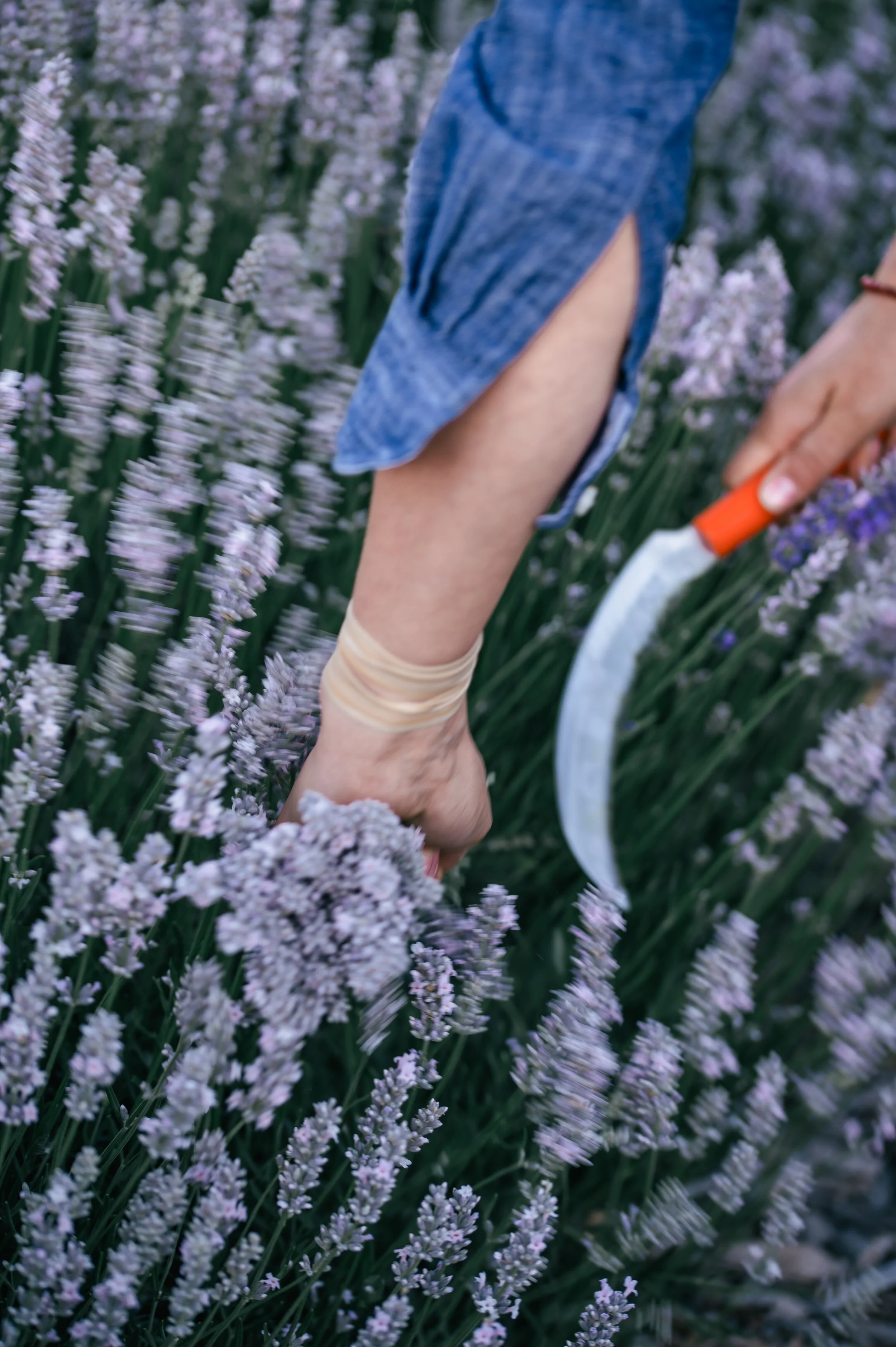
Photo by Nathan Rist
What Is Culinary Lavender?
Not all lavender is meant for cooking.
Culinary lavender usually refers to varieties of Lavandula angustifolia, often called English lavender. These varieties tend to have a sweeter, softer flavor that works beautifully in food and drinks.
Lavender grown purely for fragrance or landscaping can have a much sharper, more medicinal taste. That’s why using lavender specifically grown and harvested for culinary use makes such a difference.
When we planted our very first lavender field, we chose to plant it entirely in culinary varieties. My hope was to convince more people that lavender can be absolutely delicious in food when the right type of lavender is used and the portions are thoughtful.
Over the years that small field has grown into something much bigger than we imagined. Today our culinary lavender supplies chocolate makers, ice cream shops, bars, coffee shops, and bakers throughout the region. Watching chefs and makers experiment with lavender in creative ways has been one of the most rewarding parts of growing this plant.
If you’d like to experiment in your own kitchen, our Culinary Lavender Jars make it easy to start cooking with lavender at home.
Why Lavender Sometimes Tastes Like Soap
If you’ve ever had lavender cookies or tea that tasted like perfume, you’re not alone.
Lavender contains powerful aromatic oils. Those oils are part of what make the plant calming and fragrant, but they can quickly overwhelm a dish if too much lavender is used.
The key to cooking with lavender is restraint.
Lavender should almost feel like a background flavor rather than the main event. When used correctly, people often can’t quite identify the flavor — they just notice that the dish tastes delicate, layered, and slightly floral.
How Much Lavender Should You Use?
A small amount goes a long way.
As a general guideline when cooking with lavender:
• ¼ teaspoon dried lavender for most baked goods
• ½ teaspoon dried lavender for syrups or honey
• 1 teaspoon dried lavender for a pitcher of lemonade
One helpful trick is to grind lavender with sugar before baking. This distributes the flavor evenly and softens the intensity of the herb.
When in doubt, start small. You can always add more.
Flavors That Pair Beautifully With Lavender
Lavender shines when paired with ingredients that balance its floral qualities.
Some of the best flavor companions include:
• Lemon
• Honey
• Vanilla
• Berries
• Stone fruits like peaches and apricots
• Dark chocolate
• Cream and butter
If you are just beginning to cook with lavender, lemon and honey are usually the easiest places to start.
Easy Ways to Start Cooking With Lavender
If you’re experimenting with lavender in the kitchen for the first time, these simple recipes are wonderful introductions.
Lavender Simple Syrup
Lavender simple syrup is one of the easiest ways to begin cooking with lavender. The syrup can be added to lemonade, cocktails, tea, or drizzled over fruit.
Basic Method
1 cup water
1 cup sugar
½ teaspoon culinary lavender
Bring water and sugar to a gentle simmer. Add lavender and allow it to steep for about 10 minutes before straining.
The result is a beautifully aromatic syrup that carries just a hint of lavender.
If you’d prefer to skip gathering ingredients and have everything ready to go, we also make a DIY Lavender Simple Syrup Kit that makes it easy to create lavender syrup at home.
Lavender Honey
Lavender honey is another simple way to enjoy culinary lavender.
Warm one cup of honey gently and stir in ½ teaspoon dried lavender. Allow the mixture to steep for several hours before straining.
Lavender honey is wonderful drizzled over yogurt, biscuits, roasted vegetables, or fresh fruit.
And if you'd rather not make it yourself, you can always order our Lavender Infused Honey directly from the farm and have it ready for your next cup of tea or morning toast.
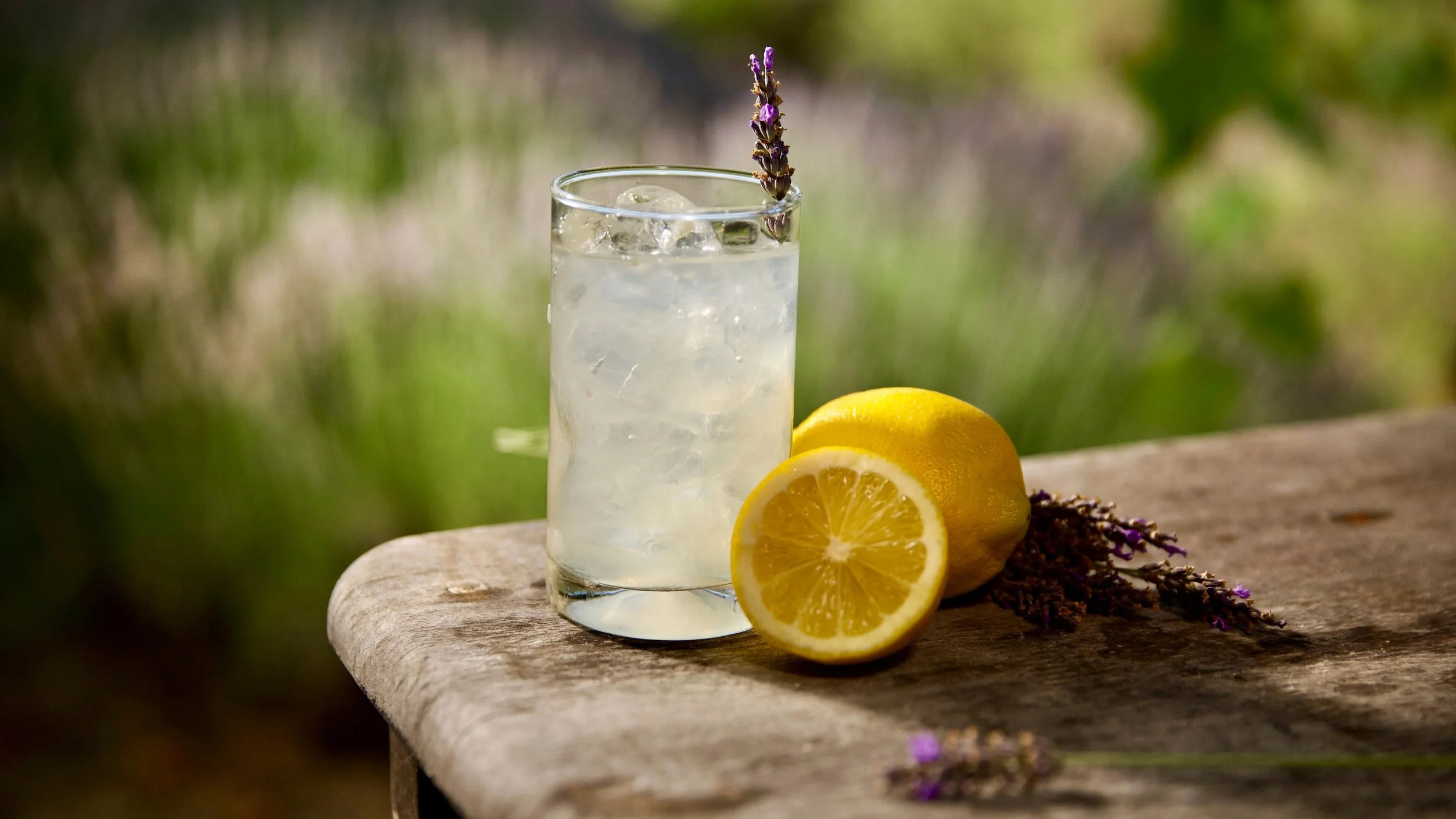
Lavender Lemonade
Lavender lemonade is a summer favorite on the farm.
Start with fresh lemonade and add a small amount of lavender simple syrup. The floral note softens the tartness of the lemon and creates a drink that feels refreshing and calming at the same time.
Lavender Recipes to Try First
If you're just beginning to cook with lavender, starting with simple recipes helps you understand the flavor more easily.
Some of the most loved lavender recipes include:
• Lavender simple syrup for drinks and cocktails
• Lavender honey for yogurt, tea, and biscuits
• Lavender lemonade for warm afternoons
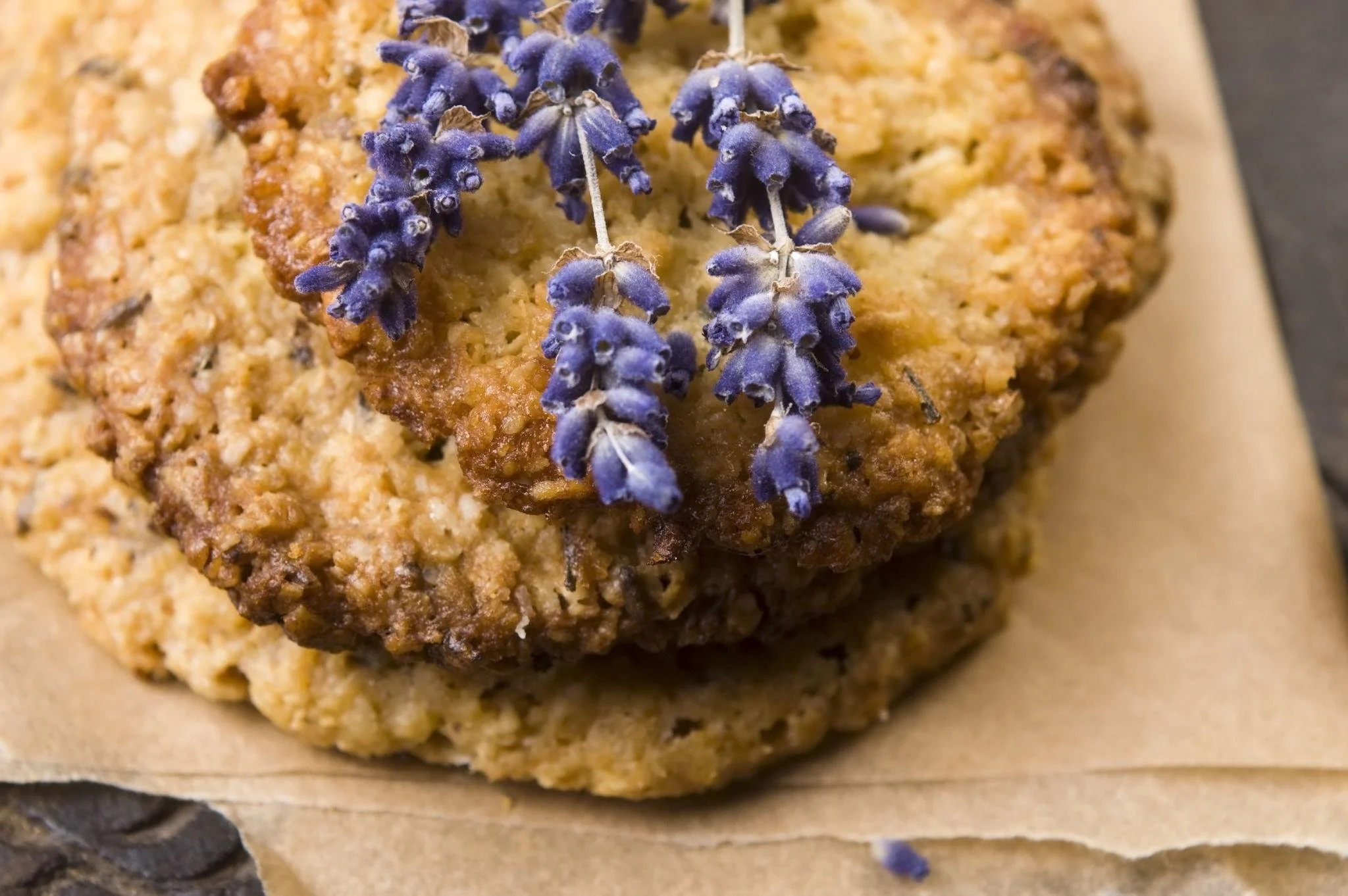
• Lavender shortbread cookies
• Lavender sugar for baking and desserts
Many home cooks find that syrups, honey, or sugar infusions are the easiest way to experiment with lavender. These methods allow the floral notes to remain gentle and balanced.
If you’re curious about how lavender supports calm and the nervous system, you might enjoy reading our recent article What Lavender Teaches Us About Calm and Sleep.
Bringing Lavender Into Everyday Cooking
One of the joys of growing lavender is watching how people begin to incorporate it into everyday life.
Sometimes it’s as simple as a jar of lavender honey sitting on the kitchen counter. Other times it’s friends gathering in the kitchen and brewing a warm cup of Lady Lavender Grey Tea together on a quiet afternoon.
These small rituals are part of what make cooking with herbs so satisfying. Lavender connects the kitchen to the garden and reminds us that even simple meals can carry a sense of place.
For cooks who enjoy experimenting with herbs, our Savor the Southwest: Herb de Provence Blend brings together lavender with other classic Mediterranean herbs. It’s wonderful on roasted vegetables, chicken, or simple farmhouse meals and makes it easy to bring the flavor of the lavender fields into everyday cooking.
A Kitchen Herb Worth Getting to Know
Lavender has been used in cooking for centuries throughout the Mediterranean, where herbs are treated as everyday ingredients rather than special occasion flavors.
When used thoughtfully, lavender adds depth, aroma, and a quiet sense of beauty to simple dishes.
Like many herbs, it asks for patience and restraint.
But once you learn how to cook with lavender, it becomes one of the most delightful flavors the garden has to offer.
Frequently Asked Questions About Cooking With Lavender
Can you cook with any lavender?
No. Only certain varieties are suitable for cooking. Culinary lavender typically comes from Lavandula angustifolia, which has a sweeter and more balanced flavor than ornamental varieties.
Why does lavender sometimes taste like soap?
Lavender contains strong aromatic oils. If too much lavender is used in a recipe, those oils can overpower the dish. Using small amounts creates a much more balanced flavor.
What foods pair best with lavender?
Lavender pairs beautifully with lemon, honey, berries, vanilla, chocolate, cream, and stone fruits like peaches or apricots.
What type of lavender is best for cooking?
English lavender (Lavandula angustifolia) is generally considered the best type for cooking because of its gentle, sweet flavor.

Delicious local doughnuts made with our lavender from Crave Artisan
Start with a small pinch, experiment with the ratios, and notice what flavors you love most. Lavender is surprisingly playful in the kitchen, and discovering your favorite combinations is part of the joy.
-Katie
